Frequently Asked Questions
How long does treatment with aligned orthodontics typically take for adults and teens?
The duration of treatment with aligned orthodontics for adults and teens typically ranges from 6 to 18 months, depending on individual orthodontic needs and goals.
What financing and cost options are available for propel orthodontics for teens?
Financing and cost options for Propel orthodontics for teens include flexible payment plans, insurance coverage, and special discounts. At Surf City Smiles, we work with families to find a solution that fits their budget while ensuring effective treatment.
What is the average cost of aligned orthodontics treatment for adults and teens?
The average cost of aligned orthodontics treatment for adults and teens typically ranges from $3,000 to $7,000, depending on the type of treatment, duration, and individual needs.
What are the different types of braces available for teens in orthodontics?
The different types of braces available for teens in orthodontics include traditional metal braces, ceramic braces, and clear aligners like Invisalign. Each option offers unique benefits in terms of aesthetics and comfort while effectively correcting dental alignment.
Who provides the best teen braces solutions in Huntington Beach?
The best teen braces solutions in Huntington Beach are offered by Surf City Smiles, where Dr. Chuck Carlson specializes in providing effective and aesthetically pleasing orthodontic treatments tailored for teens, including braces and Invisalign options.
What factors influence orthodontic treatment duration?
The factors that influence orthodontic treatment duration include the type of treatment selected, the severity of dental issues, patient compliance with care instructions, and individual growth patterns. Each case is unique, affecting overall treatment time.
Are there payment plans for orthodontic treatments?
Payment plans for orthodontic treatments are available at Surf City Smiles. We offer flexible financing options to make it easier for families to manage the cost of braces and Invisalign.
What insurance covers orthodontic services for teens?
Insurance coverage for orthodontic services for teens typically includes plans from major providers like Delta Dental, Blue Cross Blue Shield, and Aetna. It’s essential to check your specific plan for details on coverage limits and eligibility.
How do braces affect daily activities for teens?
Braces can impact daily activities for teens by requiring adjustments in oral hygiene routines, dietary choices, and participation in sports. While they may cause some initial discomfort, most teens quickly adapt and continue with their regular activities.
What are the benefits of early orthodontic intervention?
The benefits of early orthodontic intervention include preventing more serious dental issues, guiding proper jaw development, and improving overall dental aesthetics. Early treatment can lead to shorter, less complex orthodontic procedures later on.
How often are orthodontic check-ups required?
Orthodontic check-ups are typically required every 4 to 8 weeks. These regular visits allow the orthodontist to monitor progress, make necessary adjustments, and ensure that the treatment is on track for optimal results.
What materials are used for braces?
The materials used for braces include stainless steel, which is durable and resistant to corrosion, as well as ceramic, which offers a more aesthetic option that blends with teeth. Additionally, elastic bands and wires are commonly utilized to apply pressure and facilitate tooth movement.
Can teens choose their brace colors?
Teens can choose their brace colors. At Surf City Smiles, we offer a variety of color options for elastic bands, allowing teens to express their personality and style during their orthodontic treatment.
What is the process for getting braces?
The process for getting braces involves an initial consultation with Dr. Chuck Carlson, followed by a thorough examination and treatment plan. Once approved, the braces are applied, and regular follow-up appointments ensure progress and adjustments.
How do I care for braces during treatment?
Caring for braces during treatment involves maintaining excellent oral hygiene by brushing twice a day and using a soft-bristle toothbrush, flossing daily, and avoiding hard or sticky foods that can damage the braces.
What are the signs a teen needs braces?
The signs that a teen needs braces include crooked or misaligned teeth, difficulty in chewing or biting, noticeable gaps between teeth, and jaw pain or clicking. Early evaluation by an orthodontist can help determine the best course of action.
How does Invisalign compare to traditional braces?
Invisalign and traditional braces differ primarily in appearance and comfort. Invisalign uses clear aligners, making them less noticeable and more comfortable than metal braces, which can irritate gums. Both effectively straighten teeth, but Invisalign offers more flexibility for removal during meals and brushing.
What age is best to start orthodontic treatment?
The best age to start orthodontic treatment is typically between 10 and 14 years old. At this stage, most permanent teeth have emerged, allowing for effective evaluation and treatment of dental alignment and bite issues.
What foods should be avoided with braces?
Foods that should be avoided with braces include hard items like nuts and hard candies, sticky foods such as caramel and gum, and crunchy snacks like popcorn. These can damage braces and hinder treatment progress.
How can I manage discomfort from braces?
Managing discomfort from braces can be done effectively by using over-the-counter pain relievers, applying orthodontic wax to sore areas, and sticking to soft foods. Regular saltwater rinses can also help soothe irritation.
What are the risks of delaying orthodontic treatment?
The risks of delaying orthodontic treatment include potential worsening of dental issues, such as misalignment or overcrowding, which can lead to more complex treatments later. Early intervention helps ensure better dental health and aesthetic outcomes.
How do retainers work after braces?
Retainers work after braces by maintaining the new position of your teeth. They prevent teeth from shifting back to their original alignment, ensuring the results of your orthodontic treatment remain stable over time.
What is the success rate of orthodontic treatments?
The success rate of orthodontic treatments is generally high, with studies showing that over 90% of patients achieve their desired results when following the prescribed treatment plan.
Can braces correct jaw alignment issues?
Braces can effectively correct jaw alignment issues. By applying gradual pressure to the teeth, they help shift the jaw into a more aligned position, improving both function and aesthetics.
What are the latest advancements in orthodontics?
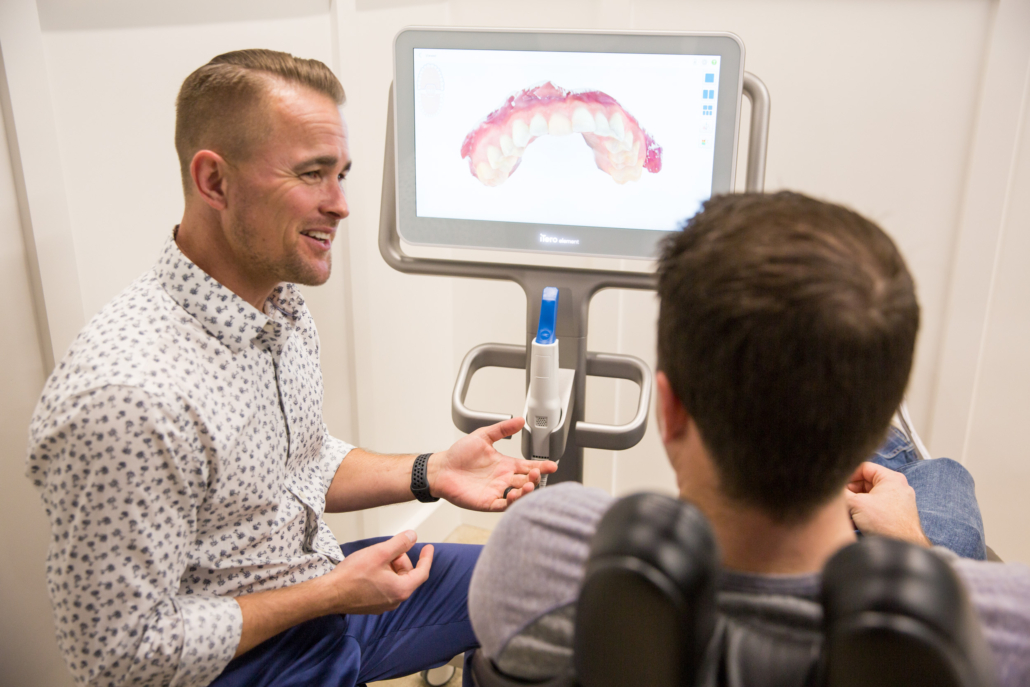
The latest advancements in orthodontics include innovative technologies such as 3D printing for custom aligners, digital scanning for precise treatment planning, and accelerated orthodontics that reduce treatment time, enhancing both effectiveness and patient comfort.
How do I choose the right orthodontist?
Choosing the right orthodontist involves considering their experience, treatment options, and patient reviews. Look for an orthodontist who specializes in teen care, offers personalized consultations, and creates a comfortable environment for both you and your child.
What should I expect during my first consultation?
During your first consultation, you can expect a comprehensive evaluation of your dental health, a discussion of your orthodontic goals, and an overview of potential treatment options tailored for you.
Are there alternatives to traditional braces?
Alternatives to traditional braces include clear aligners like Invisalign, ceramic braces, and lingual braces. These options provide effective teeth straightening with varying levels of visibility and comfort, catering to different preferences and lifestyles.
How long do retainers need to be worn?
The duration for wearing retainers is essential for maintaining your orthodontic results. Typically, retainers should be worn full-time for the first few months after treatment, then transitioned to nighttime wear indefinitely to ensure teeth remain in their new positions.
What happens if braces break during treatment?
If braces break during treatment, it's important to contact your orthodontist immediately. They will assess the situation and schedule a visit to repair or replace the broken component, ensuring your treatment continues smoothly.